Video editing is an essential part of creating professional videos for advertising, entertainment, and education. Whether you’re creating a short film, a commercial, or a tutorial, you need to have the right video editing software in order to make your work stand out from the competition. For a deeper dive, explore our guide on YouTube Ads.
No matter what your budget or skill level, there is plenty of great video editing software available to choose from. They range from free open-source applications to professional-grade programs that cost hundreds of dollars.
Things to Consider Before Selecting a Video Editor Software
When selecting video editing software, it’s important to consider your needs. Do you need basic features, such as trimming and cutting clips? Or do you need advanced features, such as color correction and 3D effects? Depending on your project, your budget, and your skill level, you’ll want to choose software that meets your needs.
Also, keep in mind that many video editing tools and software have a learning curve, so you may need to invest some time in learning how to use the software. Fortunately, there are plenty of tutorials, video tutorials, and forums available to help you learn the ins and outs of your chosen software.
Once you’ve chosen the right software for video editing, you can get to work creating great videos. Whether you’re a beginner or a pro, you’ll be able to create stunning videos that will impress your audience. For a deeper dive, explore our guide on Live Streaming Platforms.
Popular video editing software includes Adobe Premiere Pro, Final Cut Pro X, Davinci Resolve, and Sony Vegas Pro. Each of these software offers a unique set of features and editing tools that you can use to create amazing videos.
No matter what video editing tool/software you choose, remember to have fun and experiment with different features and effects. With the right software, you’ll be able to create videos that will wow your audience.
Must-Have Features in a Video Editing Software
So what are the must-have features that make video editing software stand out? Here are some of the key features to look for in any good video editing software:
- Easy-to-Use Interface: A good video editing software should be easy to use and understand. It should have an intuitive interface that is simple to navigate and use. This will make it easier for beginners to get up and running quickly.
- Powerful Editing Tools: The editing tools should be powerful enough to handle all types of video editing tasks. This includes basic editing like trimming and splitting clips, as well as more advanced tasks like adding effects and transitions.
- Support for Multiple Formats: These days, videos come in all sorts of formats. A good video editing software should be able to handle all of the popular formats, including AVI, MOV, MPG, and MP4.
- Automation Tools: Automation tools can be a great time saver, allowing you to automate certain tasks such as adding transitions or titles.
- Video Effects & Transitions: A good video editor should offer a range of effects and transitions that you can use to make your videos look more professional.
- Audio Editing: Audio is just as important as video, so good video editing tool should offer audio editing capabilities as well. This includes basic tasks such as adjusting levels, as well as more complex tasks like adding sound effects and music.
- Sharing & Publishing: Finally, a good video editor should make it easy to share and publish your videos. This includes features such as direct uploads to YouTube, Vimeo, and other popular video streaming platforms.
These are just some of the features to look for in good video editing software. Having these features will make it easier to create professional-looking videos with minimal effort.
Top 10 Video Editing Software
There are many software available for video editing in the market, but the best ones are the ones that offer the most features and are user-friendly. In this blog post, we will be discussing the top 10 video editing softwares that you should consider when creating your next video.
1. Adobe Premiere Pro

Adobe Premiere Pro is a powerful and feature-rich video editing software. It has a wide range of video editing options that make it one of the best video editor available. It is used by professionals and amateurs alike and is suitable for both Mac and Windows users.
2. Final Cut Pro X
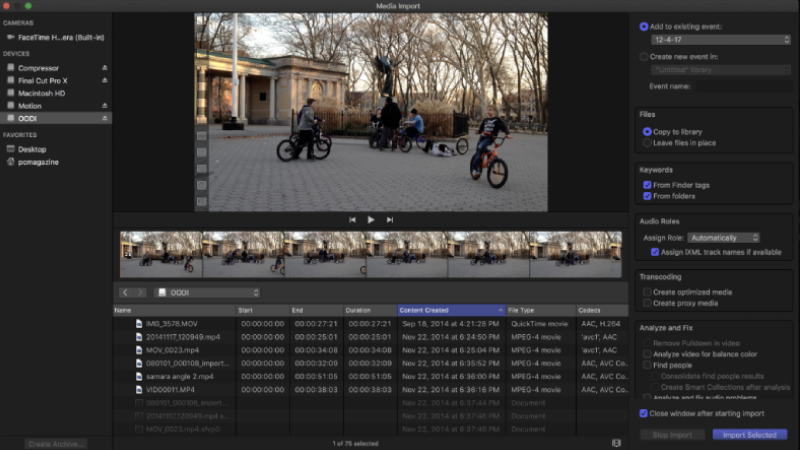
Final Cut Pro X is a professional-grade video editor from Apple. It offers a lot of features that make it suitable for both amateur and professional video editors. It is available for Mac users only.
3. Avid Media Composer

Avid Media Composer is another powerful video editing software. It is used by professionals in the film and television industry and offers a variety of editing tools that make it a great choice for both beginners and experienced editors. It is available for both Mac and Windows users.
4. Sony Vegas Pro

Sony Vegas Pro is a powerful video editor from Sony. It offers a variety of cool features that make it suitable for both amateurs and professionals. It is available for both Mac and Windows users.
5. DaVinci Resolve
DaVinci Resolve is a powerful and feature-rich video editing software. It is used by professionals in the film and television industry and offers a range of tools that make it suitable for both amateurs and professionals. It is available for both Mac and Windows users.
6. iMovie

iMovie is a simple and user-friendly video editor tool from Apple. It is suitable for both Mac and iOS users and offers all the necessary features that make it suitable for both amateurs and professionals.
7. Adobe After Effects
Adobe After Effects is a powerful video editing software from Adobe. It is used by professionals in the film and television industry and offers many functions that make it a great choice for both amateurs and professionals. It is available for both Mac and Windows users.
8. Pinnacle Studio
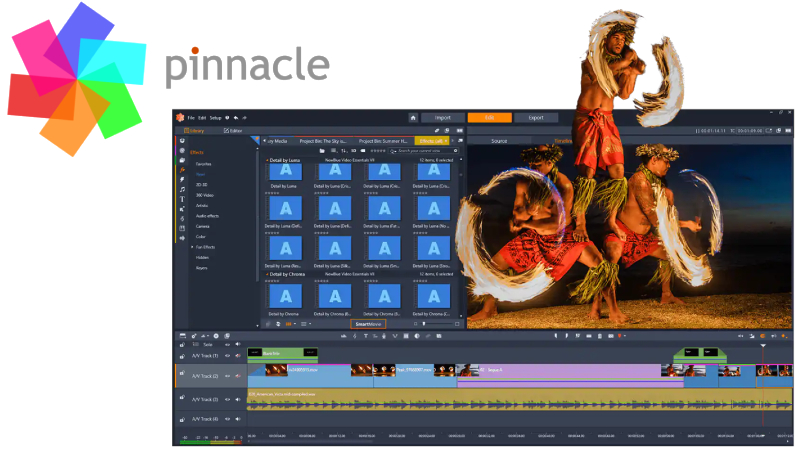
Pinnacle Studio is a feature-rich video editor from Corel. It offers a variety of video editing functions that make it suitable for both amateurs and professionals. It is available for both Mac and Windows users.
9. Lightworks

Lightworks is a professional-grade video editor from Avid. It is used by professionals in the film and television industry and offers dozen of helpful tools that make it suitable for both amateurs and professionals. It is available for both Mac and Windows users.
10. HitFilm Pro
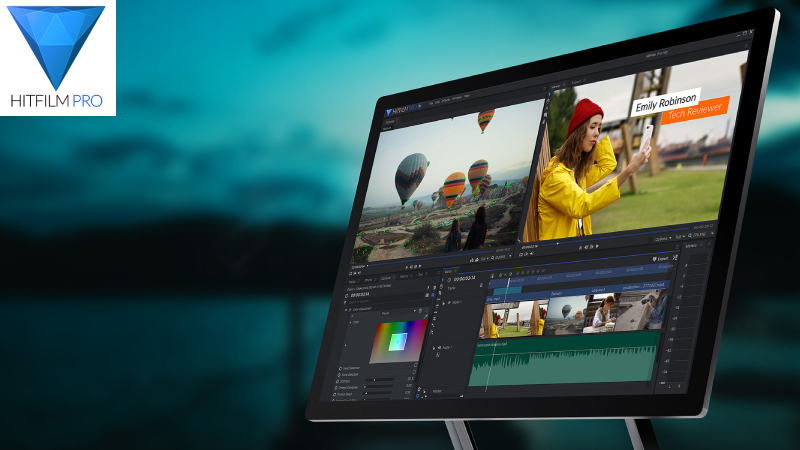
HitFilm Pro is a powerful and feature-rich video editor from FXHome. It is suitable for both Mac and Windows users and offers a variety of features and tools that make it a great choice for both amateurs and professionals.
These are the top 10 video editing softwares that you should consider when creating your next video. Each of these softwares have their own features, functions and tools that make them suitable for different types of users. However, if you are looking for powerful and feature-rich video editing software, then Adobe Premiere Pro and Final Cut Pro X are the best choices.
Frequently Asked Questions
Q: What is this guide about?
This comprehensive guide provides strategies and best practices for achieving success. Following these approaches can help improve your results and competitive advantage.
Q: How long does it take to see results?
Results vary. Most strategies require 3-6 months before significant improvements. Ongoing optimization and consistency are essential for sustainable success.
Q: Do I need professional help?
While basic implementation can be done independently, professional guidance often accelerates results and helps avoid costly mistakes.
Q: What are the most important factors for success?
Key factors include thorough research, consistent execution, quality over quantity, regular performance monitoring, and adapting to industry changes.
Q: How do I measure success?
Track KPIs like traffic, conversions, revenue, and engagement rates. Regular analysis helps identify areas for improvement.
Q: What channels should I focus on?
Most businesses benefit from SEO, content marketing, social media, and paid advertising. Start where your target audience is most active.
The Evolution of Digital Marketing: From Traditional to Modern Approaches
Digital marketing has undergone a remarkable transformation over the past two decades, evolving from simple banner advertisements and email campaigns to sophisticated, data-driven strategies that leverage artificial intelligence and machine learning. Understanding this evolution provides valuable context for developing effective modern marketing strategies that resonate with today’s consumers.
The early days of digital marketing were characterized by interruptive advertising tactics that prioritized visibility over relevance. Companies spent significant budgets on display ads that reached broad audiences but delivered limited engagement. As consumer behavior shifted and technology advanced, marketers began recognizing the value of permission-based marketing and targeted approaches that delivered personalized messages to specific audience segments.
Today’s digital marketing landscape demands integrated approaches that combine multiple channels and tactics into cohesive customer experiences. The most successful businesses recognize that modern consumers interact with brands through complex, non-linear journeys that span multiple devices and platforms. Meeting customers where they are requires sophisticated targeting capabilities, real-time personalization, and seamless cross-channel experiences.
The integration of marketing technology has enabled unprecedented levels of automation and optimization, allowing marketers to deliver the right message to the right person at the right time. These capabilities have transformed marketing from an art to a science, enabling continuous improvement based on real-time performance data and predictive analytics.
Strategic Content Development for Search Engine Success
Content remains the foundation of successful digital marketing, serving as the primary mechanism for attracting organic traffic, building brand authority, and engaging target audiences. Developing a comprehensive content strategy requires understanding search intent, creating valuable resources, and optimizing for both search engines and human readers.
Effective content addresses specific search queries while providing genuine value to readers. This requires deep understanding of your audience’s needs, questions, and pain points. The best content answers questions comprehensively, provides actionable insights, and offers unique perspectives that readers cannot find elsewhere.
Content optimization extends beyond keyword placement to include structural elements, readability, and multimedia integration. Well-structured content with clear headings, bullet points, and visual elements performs better in search results while delivering superior user experiences. Mobile optimization is particularly critical as mobile traffic continues growing.
Content promotion and distribution are equally important as creation. Even excellent content delivers limited results if target audiences cannot discover it. Strategic distribution leverages social media, email marketing, influencer partnerships, and paid promotion to maximize content reach and impact.
Data Analytics and Performance Measurement Fundamentals
Modern marketing success depends heavily on sophisticated analytics capabilities that enable data-driven decision making. Understanding which metrics matter most and how they connect to business outcomes allows continuous optimization of marketing efforts and improved return on investment.
Essential marketing metrics include traffic volume and sources, engagement rates, conversion rates, customer acquisition costs, and lifetime value. Each metric provides insights into different aspects of marketing performance, and comprehensive analysis reveals the full picture of marketing effectiveness.
Attribution modeling helps marketers understand how different touchpoints contribute to conversions. Multi-touch attribution provides more accurate pictures of customer journeys than last-click attribution, enabling better allocation of marketing budgets across channels and campaigns. For a deeper dive, explore our guide on More Views YouTube.
Advanced analytics approaches segment data by multiple dimensions to identify patterns and opportunities that aggregate data might miss. Understanding audience segments, channel performance, and campaign effectiveness enables continuous optimization and improved results over time.
Building Brand Authority Through Thought Leadership
Establishing thought leadership in your industry provides significant competitive advantages, including increased brand awareness, customer trust, and organic visibility. Thought leadership requires consistent creation of valuable content that demonstrates expertise and unique insights.
Effective thought leadership content addresses emerging trends, challenges conventional wisdom, and provides actionable guidance that readers can apply to their own situations. This type of content positions your brand as an authority that audiences can trust for reliable information and guidance.
Building thought leadership requires sustained effort over time, with consistent publication of high-quality content that addresses relevant industry topics. The most successful thought leadership strategies identify unique perspectives and expertise areas that differentiate your brand from competitors.
Distribution amplifies thought leadership impact. Strategic promotion through social media, email marketing, industry publications, and speaking opportunities extends reach and builds recognition among target audiences.
Maximizing Return on Marketing Investment
Proving and maximizing marketing return on investment requires clear objectives, sophisticated tracking, and continuous optimization. The most successful marketing organizations treat marketing as an investment that must deliver measurable returns rather than an expense that cannot be quantified.
ROI calculation requires understanding customer lifetime value, acquisition costs, and the contribution of marketing activities to revenue generation. These calculations enable informed budget allocation decisions and help identify the most effective marketing tactics for your specific business.
Continuous testing and optimization improve marketing performance over time. A/B testing, multivariate testing, and iterative improvement processes enable identification of optimal approaches and continuous enhancement of marketing effectiveness.
Marketing automation improves efficiency while enabling personalization at scale. Automating routine tasks frees marketing teams to focus on strategic initiatives while maintaining consistent customer experiences across touchpoints.
Future-Proofing Your Digital Marketing Strategy
The digital marketing landscape continues evolving rapidly, with emerging technologies, changing consumer behaviors, and new platforms creating both challenges and opportunities. Future-proofing your strategy requires staying current with trends while maintaining focus on fundamental marketing principles.
Artificial intelligence and machine learning continue transforming marketing capabilities, enabling more sophisticated targeting, personalization, and optimization. Businesses that embrace these technologies gain competitive advantages through improved efficiency and effectiveness.
Privacy regulations and changes to third-party cookies require adaptation of tracking and targeting approaches. First-party data strategies and consent-based marketing become increasingly important as the industry transitions to a privacy-focused environment.
Voice search, visual search, and AI-powered search experiences create new optimization requirements. Adapting content and technical strategies for these emerging search modalities positions businesses for success in evolving search environments.
Conclusion: Embracing Digital Marketing for Sustainable Business Growth
The digital marketing landscape presents unprecedented opportunities for businesses willing to invest in building their online presence. Success requires strategic approach, consistent effort, and willingness to adapt to changing technologies and consumer behaviors. By focusing on delivering genuine value to your audience and continuously optimizing based on data, your business can achieve sustainable growth through digital marketing.
Remember that digital marketing is an ongoing commitment rather than a one-time effort. The businesses that succeed view marketing as a strategic investment that delivers compounding returns over time. Stay focused on your objectives, measure results consistently, and maintain patience required for building lasting success in the dynamic digital environment.
The Evolution of Digital Marketing Strategy
Digital marketing has transformed dramatically over the past decade, evolving from simple banner advertisements to sophisticated, data-driven strategies that leverage artificial intelligence and machine learning. Understanding this evolution provides context for developing effective modern marketing strategies that resonate with today’s consumers.
Modern digital marketing requires integrated approaches combining multiple channels into cohesive customer experiences. The most successful businesses recognize that consumers interact with brands through complex journeys spanning multiple devices and platforms.
Content Marketing Best Practices
Content remains the foundation of successful digital marketing, serving as the primary mechanism for attracting organic traffic, building brand authority, and engaging target audiences. Effective content addresses specific search queries while providing genuine value to readers through comprehensive answers and actionable insights.
Data-Driven Marketing Decisions
Modern marketing success depends on sophisticated analytics enabling data-driven decisions. Understanding which metrics connect to business outcomes allows continuous optimization and improved return on investment through testing and iterative improvement.
Building Brand Authority
Establishing thought leadership provides significant competitive advantages including increased brand awareness and customer trust. Effective thought leadership addresses emerging trends, challenges conventional wisdom, and provides actionable guidance.
Maximizing Marketing ROI
Proving marketing ROI requires clear objectives, sophisticated tracking, and continuous optimization. The most successful marketing organizations treat marketing as an investment delivering measurable returns through continuous testing.
Learn More: Home
Frequently Asked Questions
How do I choose the right marketing technology for my business?
Marketing technology selection framework: (1) Define the problem first — what specific workflow is broken or missing? Don’t buy tools searching for a use case; (2) Audit what you already have — most businesses are underutilizing existing tools before buying new ones; (3) Integration compatibility — does it connect to your CRM, analytics, and other core systems? Siloed tools create more problems than they solve; (4) Team adoption reality — the most powerful tool that nobody uses is worthless; assess your team’s technical comfort level; (5) Total cost of ownership — include implementation, training, and ongoing management time alongside the subscription cost; (6) Scalability — will this tool grow with you? Switching platforms is expensive in time, data migration, and team learning curves.
What free marketing tools should every business use?
Essential free marketing tools: Google Analytics 4 (website analytics — required for any data-driven marketing decision), Google Search Console (organic search performance, indexation monitoring, Core Web Vitals), Google Keyword Planner (keyword research and search volume data), Canva free tier (social graphics and presentation design), Mailchimp free tier (email marketing up to 500 contacts), Hotjar free tier (heatmaps and session recordings for 35 daily sessions), HubSpot CRM free (contact management, deal tracking, email templates), Semrush free tier (limited keyword and site audit), Buffer free tier (social media scheduling for 3 profiles), and Google PageSpeed Insights (page speed and Core Web Vitals testing). These 10 tools cover 80% of SMB marketing operations at zero cost.
How do I build a marketing technology stack?
Marketing technology stack by business stage: Startup (under $1M revenue) — website CMS + email marketing + Google Analytics + CRM (HubSpot free covers all four with good integration). Growth stage ($1M–$10M revenue) — add: marketing automation (HubSpot paid or ActiveCampaign), SEO platform (Ahrefs or Semrush), social media management (Sprout Social or Buffer paid), and paid media management (Google Ads, Meta Business Manager). Scale stage ($10M+ revenue) — add: CDP for customer data unification, dedicated analytics platform (Mixpanel or Amplitude), ABM platform (Demandbase, 6sense) for B2B, and advanced personalization engine. Common mistake: buying enterprise tools at startup stage — the overhead and complexity kills adoption before ROI is realized.
What is the best tool for [specific marketing task]?
Marketing tool recommendations by category: Email marketing — Klaviyo (e-commerce), ActiveCampaign (B2B), Mailchimp (beginners). SEO — Ahrefs (comprehensive backlink + keyword data), Semrush (all-in-one SEO + PPC + competitor research), Screaming Frog (technical audits). Social media management — Sprout Social (reporting + publishing), Buffer (affordable scheduling), Hootsuite (enterprise multi-channel). PPC management — Google Ads + Microsoft Ads platforms (self-serve), Optmyzr or WordStream (optimization automation). CRM — HubSpot (marketing + sales alignment, excellent free tier), Salesforce (enterprise), Pipedrive (SMB sales-focused). Design — Canva (accessible, template-based), Figma (professional UI/UX), Adobe Creative Suite (enterprise creative). Landing pages — Unbounce, Instapage, or Webflow.
How do I measure the ROI of marketing tools?
Marketing tool ROI measurement: calculate the value of specific improvements the tool enables (time saved × hourly team cost, conversion rate improvement × conversion value, lead volume increase × average lead value). Example: an SEO tool at $500/month that enables publishing 4x more optimized content and generates 50 additional organic leads/month at $100 average lead value = $5,000/month value vs. $500/month cost = 10x ROI. Track tool-enabled KPI changes before and after implementation — if a tool’s value can’t be measured in concrete business outcomes within 90 days, reassess whether it’s solving the right problem. Cancel tools that don’t show clear ROI; tool sprawl is expensive and operationally complex.
Sources & Research
- According to Wyzowl’s Video Marketing Statistics (2026), 91% of businesses use video as a marketing tool, up from 86% in 2023.
- Cisco’s Annual Internet Report predicts that video will account for 82% of all internet traffic by 2026.
- Research from HubSpot (2025) shows that video content generates 1,200% more shares than text and image content combined on social media.
- Grand View Research (2025) reports that the global video editing software market is valued at $4.7 billion, growing at 6.2% CAGR through 2030.
- A Renderforest survey found that 78% of small businesses report that video editing tools with AI features have reduced their production time by 60%.

Live Streaming Platforms: Which One is Right for Your Brand?
Live streaming is a useful asset for any brand or content producer. They can use…
Read More →
YouTube Ads: An Ultimate Guide To Promote YouTube Video
Table of Contents Toggle YouTube Ads: The Ultimate Guide to Promoting Your YouTube Videos in…
Read More →
Streaming TV Advertising: Ultimate Guide To Over The Top
Streaming TV Advertising is becoming more and more popular as an effective way to reach…
Read More →
How to Get More Views on YouTube In 2023
YouTube views are one of the most important indicators of a successful video. Views are…
Read More →
Video SEO – How to Optimize Videos For Search Engine
Video SEO is the process of optimizing videos for search engine visibility and organic ranking.…
Read More →-
 By Guy Sheetrit
- Dec 26, 2022
 By Guy Sheetrit