Planning Process
Follow proven planning methodologies:
- Situation analysis: Understand current position and market context
- Objective setting: Define clear, measurable goals
- Strategy development: Identify approaches to achieve objectives
- Implementation planning: Detail specific actions and timelines
Execution Excellence
Ensure successful implementation:
- Assign clear ownership and accountability
- Establish regular progress monitoring
- Maintain flexibility to adapt to changes
- Document learnings for future improvement
Risk Management. Mitigation Strategies
Every strategy carries risks. Proactive risk management protects your investments and ensures sustainability.
Risk Identification
Common risk categories include:
- Market risks: Changing market conditions, competitor actions
- Operational risks: Resource constraints, technology failures
- Regulatory risks: Policy changes, compliance requirements
- Reputational risks: Brand perception, public relations issues
Mitigation Approaches
Develop strategies to manage identified risks:
- Diversify traffic and revenue sources
- Maintain operational flexibility
- Stay current with regulatory changes
- Build strong crisis response capabilities
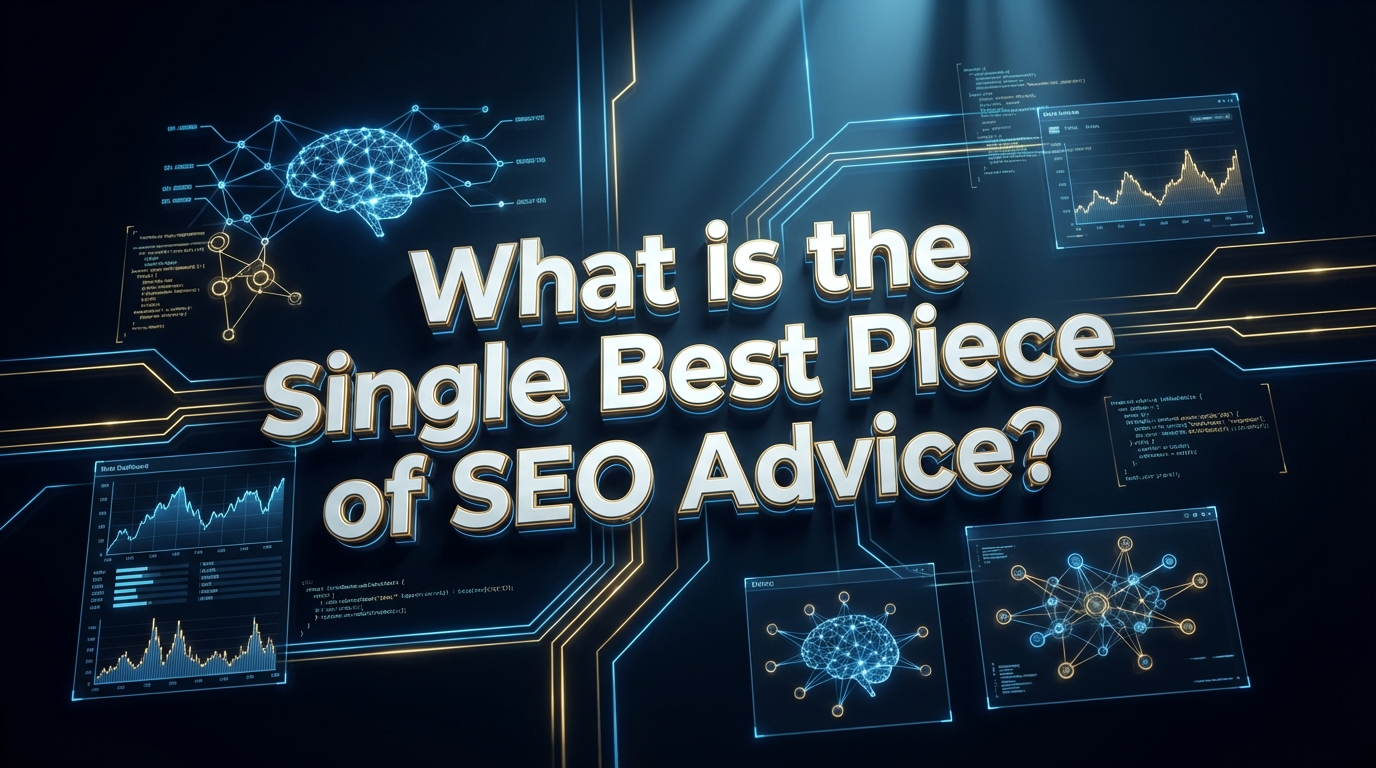
What is the Single Best Piece of SEO Advice?
When people ask me what the single most important piece of SEO advice I can give them is, I tell them this: write content for humans first, search engines second. It sounds simple, but this philosophy is the foundation of every successful SEO strategy I have ever implemented. For a deeper dive, explore our guide on AI-generated content good SEO.
Too many marketers get caught up in keyword density, meta tag optimization,. Other technical elements that, while important, mean nothing if the content itself does not resonate with actual human readers. Search engines have become remarkably sophisticated at understanding user intent and evaluating content quality. The days of gaming the system with keyword stuffing and artificial optimization are long gone. For a deeper dive, explore our guide on SEO Nonprofits.
Why Human-First Content Wins
Every algorithm update Google releases reinforces the same message: provide value to users. Whether it is the Helpful Content update, the E-E-A-T signals emphasis, or the push toward comprehensive topic coverage, the search engine giant consistently rewards content that serves human needs. For a deeper dive, explore our guide on Voice Search SEO.
When you write for humans first, several automatic SEO benefits follow. Users spend more time on your pages, reducing bounce rates. They engage more deeply with your content, increasing pages per session. They are more likely to share your content, generating natural backlinks. They return to your site, building repeat traffic. These behavioral signals communicate value to search engines more effectively than any technical optimization could.
The Real SEO Foundation: Understanding Search Intent
The single best piece of SEO advice actually encompasses several interconnected principles that, together, create the foundation for sustainable search visibility. Let us break down what it truly means to prioritize humans in your SEO strategy.
Matching Content to Search Intent
Search intent (sometimes called user intent) describes what a searcher actually wants to find when typing a query into a search engine. There are four primary types of search intent:
Informational Intent: The searcher wants to learn something or find information. Queries often start with how, what, why, or include words like guide, tips, or tutorial.
Navigational Intent: The searcher wants to reach a specific website or page. These queries usually include brand names or specific site names.
Transactional Intent: The searcher wants to complete a purchase or take a specific action. These searches often include words like buy, price, discount, or review.
Commercial Investigation: The searcher is researching options before making a decision. These queries often include best, top, comparison, or review.
Matching your content precisely to search intent is arguably the most critical SEO factor. A page that perfectly satisfies informational intent will struggle to rank for commercial queries, no matter how well optimized it technically is.
Creating Comprehensive, Authoritative Content
Modern SEO rewards comprehensive content that thoroughly covers topics. Rather than creating multiple thin pages targeting slight keyword variations, successful SEO strategies focus on creating definitive resources that comprehensively address topics.
This approach, often called topic cluster architecture or pillar content, signals authority to search engines. When one piece of content comprehensively covers a topic. Links to related content that explores subtopics in depth, you create a web of relevance that search engines recognize as expertise.
The key is genuinely comprehensive coverage. Surface-level content that simply mentions related topics without providing real insight will not succeed. You must be willing to invest in truly thorough treatment of your subject matter.
Technical SEO: Necessary but Not Sufficient
Understanding that content comes first does not mean ignoring technical optimization. Technical SEO ensures search engines can access, crawl, and index your content effectively. Without solid technical foundations, even the best content will struggle to rank.
Essential technical elements include fast page load speeds, mobile-friendly design, proper site architecture with logical internal linking, clean URL structures, correct implementation of schema markup,. XML sitemaps that help search engines understand your site structure.
However, these elements support your content rather than replace it. Technical optimization enables ranking potential; quality content fulfills it.
The Role of E-E-A-T in Modern SEO
Google is increasingly emphasizing E-E-A-T (Experience, Expertise, Authoritativeness, and Trustworthiness) in its quality evaluations. This framework directly connects to writing for humans first.
Experience means demonstrating real-world experience with your topic. For product reviews, this means actually purchasing and testing products. For how-to content, this means showing that you have performed the actions you are describing.
Expertise means having deep knowledge in your field. This does not necessarily require formal credentials; practical expertise gained through experience often carries more weight with search engines.
Authoritativeness means building recognition as a go-to source over time. This develops through consistent quality, industry recognition, citations from other authoritative sources, and community engagement.
Trustworthiness means being honest, transparent, and reliable. This includes clear contact information, accurate information, secure site connections, and transparent business practices.
Building a Sustainable SEO Strategy
Understanding the principle of human-first content helps you build SEO strategies that stand the test of time. Rather than chasing algorithm updates or experimenting with risky tactics, focus on consistently providing value to your audience.
Start by deeply understanding your target audience. What questions do they have? What problems do they need solved? What level of knowledge do they already have? What format do they prefer for consuming information?
Create content that genuinely helps your audience. Answer their questions thoroughly. Solve their problems comprehensively. Provide insights they cannot find elsewhere. This commitment to value naturally produces the signals search engines use to evaluate content quality.
Measure success through engagement metrics rather than just rankings. If your content is genuinely valuable, rankings and traffic will follow. Focus on session duration, pages per session, social shares, return visits, and conversion rates as indicators of content success. For a deeper dive, explore our guide on Importance Social Media SEO.
Common Mistakes to Avoid
Even with the right philosophy, execution matters. Avoid these common mistakes that undermine otherwise sound SEO approaches:
Chasing keywords instead of topics: Rather than obsessing over exact keyword phrases, identify the core topics your audience cares about. Become the definitive resource on those topics.
Ignoring content freshness: While some content remains permanently valuable, most content benefits from regular updates to maintain relevance and accuracy.
Neglecting user experience: Technical factors like page speed, mobile usability, and intuitive navigation directly impact both user satisfaction and search rankings.
Building content in isolation: Your content should connect to a broader ecosystem of related content, creating pathways for both users. Search engines to explore your site.
Focusing on quantity over quality: One comprehensive, valuable piece of content outperforms ten thin, superficial articles every time.
Implementing Human-First SEO
Translating this philosophy into practical action requires systematic processes:
Content Audit: Evaluate your existing content through the lens of user value. Identify pieces that provide genuine value and those that exist only to target keywords.
Audience Research: Develop detailed personas of your target audience. Understand their questions, challenges, and information needs at each stage of their journey.
Content Planning: Map content to audience needs and search intent. Create a content strategy that addresses the full range of questions your audience asks.
Quality Standards: Establish clear quality benchmarks for all content. Every piece should provide unique value, demonstrate expertise, and satisfy the search intent that brings users to it.
Continuous Improvement: Regularly evaluate content performance and update based on engagement signals and changing audience needs.
The Long-Term View
SEO is not a quick-fix marketing tactic; it is a long-term strategy for building sustainable online visibility. The principle of writing for humans first aligns perfectly with this long-term perspective because quality content has lasting value.
Content you create today can continue generating traffic and value for years. Unlike paid advertising that stops delivering the moment you stop paying, quality organic content compounds in value over time as it accumulates links, citations, and authority.
This compounding effect is why patience and consistency matter so much in SEO. The results may not appear overnight, but the foundation you build through human-first content creates lasting competitive advantage.
Conclusion
The single best piece of SEO advice: write content for humans first, search engines second. This principle encompasses understanding search intent, creating comprehensive authoritative content, building trust through E-E-A-T signals, and maintaining focus on genuine user value.
When you prioritize your audience needs, technical optimization and keyword strategy naturally fall into place as supporting elements rather than primary objectives. Search engines exist to connect users with the best answers to their questions. When you become the best answer, rankings follow.
Start by auditing your existing content through this lens. Identify where you have prioritized search engines over users. Make the necessary corrections, and watch as your search visibility improves alongside user engagement metrics.
Frequently Asked Questions
Why is writing for humans better than optimizing for search engines?
Search engines have become sophisticated enough to evaluate content quality and user satisfaction. When you write for humans, you naturally create content that earns engagement, shares, and return visits – signals that search engines interpret as quality indicators. Technical optimization without quality content fails because it does not satisfy user needs.
How do I know if my content matches search intent?
Analyze the search results for your target keywords. The top-ranking pages indicate what search engines consider the best match for that query. Evaluate whether your content provides similar value, covers the same aspects of the topic, and answers the same underlying questions. If not, adjust your content to better match intent.
Does keyword optimization still matter?
Keywords still matter, but not in the way many marketers think. Rather than density calculations, focus on natural language that reflects how people actually search. Use related terms and concepts that demonstrate topical depth. Modern NLP algorithms understand context and semantics, so comprehensive topic coverage matters more than exact phrase repetition.
How long does it take to see SEO results?
SEO is a long-term strategy. Most professionals recommend allowing 6-12 months to see meaningful results from new content and optimization efforts. However, the exact timeline depends on competition, existing domain authority, content quality, and technical foundations. Quality content compounds in value over time, so patience is essential.
What is the most important technical SEO factor?
It is difficult to identify a single most important factor, but site speed, mobile-friendliness, and crawlability are fundamental. Without fast loading times, mobile compatibility, and search engine access to your pages, even excellent content cannot rank. These technical foundations must be solid before focusing on content optimization.
How often should I update my content?
High-performing evergreen content should be reviewed and updated at least annually to maintain accuracy and relevance. Content covering rapidly evolving topics may need more frequent updates. Monitor performance metrics to identify content that may be losing relevance or being overtaken by newer resources.
The Evolution of Digital Marketing Strategy
Digital marketing has transformed dramatically over the past decade, evolving from simple banner advertisements to sophisticated, data-driven strategies that leverage artificial intelligence and machine learning.
Modern digital marketing requires integrated approaches combining multiple channels into cohesive customer experiences.
Content Marketing Best Practices
Content remains the foundation of successful digital marketing, serving as the primary mechanism for attracting organic traffic, building brand authority, and engaging target audiences.
Data-Driven Marketing Decisions
Modern marketing success depends on sophisticated analytics enabling data-driven decisions.
Building Brand Authority
Establishing thought leadership provides significant competitive advantages including increased brand awareness and customer trust.
Maximizing Marketing ROI
Proving marketing ROI requires clear objectives, sophisticated tracking, and continuous optimization.
Learn More: Home
Author: Guy Sheetrit, CEO of Over The Top SEO. With over 16 years of experience in digital marketing and SEO, Guy has led OTT to become a global leader in search engine optimization. His expertise has been featured in Forbes, The New York Times, Inc.com, and Entrepreneur. Last updated: March 2026.

Is AI-generated content good for SEO in 2023?
Artificial intelligence is changing the way we create and consume content online. AI software can…
Read More →
A Complete Step-by-Step Guide to Google Algorithm Updates
Google algorithm updates are a regular occurrence. Google makes around 800 changes to its search…
Read More →
SEO for Nonprofits: Fueling Growth with Optimization in Management
There are various sorts of search engine optimization that address unique corporate needs, just like…
Read More →
How Zero Search Volume Keywords Can Boost Your Traffic?
When it comes to SEO, it is important to target keywords that have a high…
Read More →
Keyword Research: The Ultimate Guide By OverTheTopSEO
The core of SEO is keywords. No matter how hard you try, you won’. T…
Read More → By Guy Sheetrit


