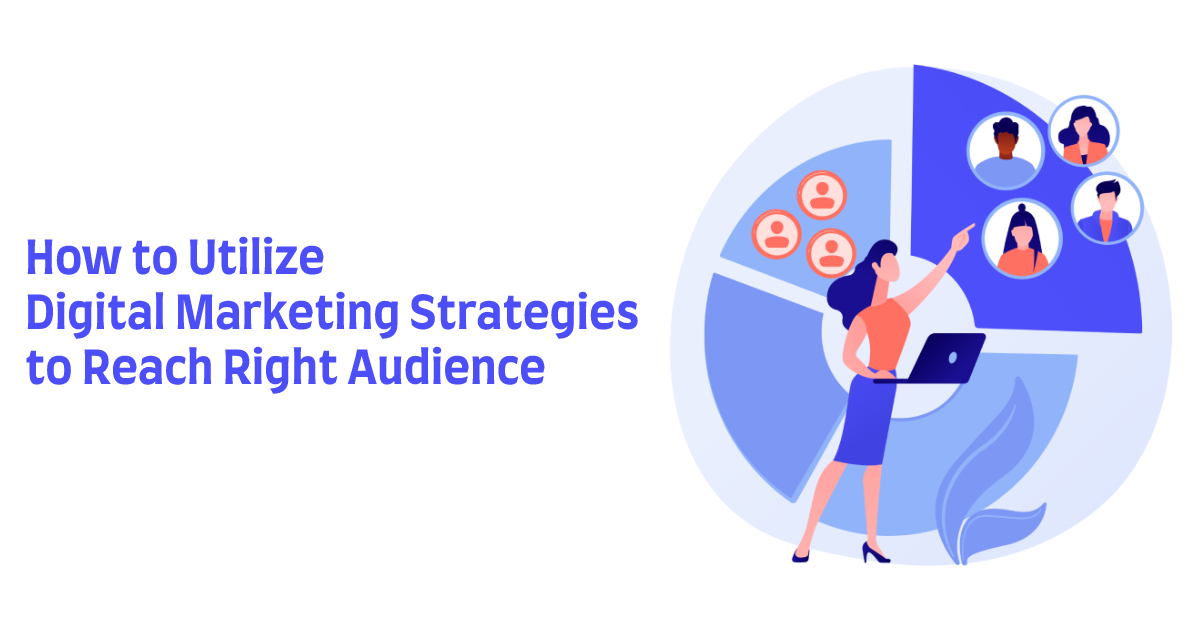
In this article, we will be taking a look at how to reach the right audience with digital marketing. Digital marketing is an important part of any company’s success, but it can be difficult to know where to start. This article will show you what to do in order to reach your target audience and get them interested in your product or service.
1. Three Keys to Reaching The Right Audience?

Reaching the right audience is one of the most important challenges for any digital marketer. It’s one of the hardest things to do, as well. After all, you can’t just spray and pray with your marketing tactics. You must be able to pinpoint your intended audience. Here are three keys to reaching the right audience.
Explore more in our digital marketing guide and social media marketing resources.
- The first key is to know who your target audience is. This seems like a no-brainer, but you’d be surprised how many businesses don’t take the time to really define their target customer. Without a crystal clear picture of who you’re trying to reach, it will be very difficult to create content that resonates.
- The second key is to be where your target audience is spending their time online. This requires a bit of market research and an understanding of which digital channels are most popular with your target demographic. Once you know where they are hanging out, you can create content specifically for that channel and start to build a presence there.
- The third and final key is to create compelling content that speaks directly to your target audience. Again, this goes back to knowing who your ideal customer is and what kinds of things they are interested in. If you can tap into their interests and produce content that solves their problems, you’ll be well on your way to reaching the right audience with your digital marketing efforts.
2. Understand What Your Audience Wants.
This is so important to learn what’s important to your audience. Knowing what they care about and what they need will help you create content, create campaigns, and target the right people. Here are a few tips to help you learn what’s important to your audience and reach them with digital marketing:
1. Do some research: Take the time to do some research into who your target audience is and what they care about. This could include things like their age, gender, interests, job title, income level, and more. This will help you tailor your content, campaigns, and messaging to them.
2. Ask your audience: Don’t be afraid to ask your audience questions about what’s important to them. You can do this via surveys, polls, or even interviews. This will give you insights into the type of content and campaigns that will be effective for them.
3. Listen to feedback: Once you start running campaigns, be sure to listen to the feedback you get from your audience. This will help you learn what’s working and what’s not so you can make adjustments as needed.
3. Ways to Find The Right Keywords?
Organic keywords are the foundation of any successful digital marketing campaign. They provide a way for you to accurately target your audience and measure the success of your campaigns. By using organic keywords, you can create content and campaigns that are tailored to the needs of your audience. You’ll also have an easier time tracking the performance of your campaigns and optimizing them for maximum results. For a deeper dive, explore our guide on Storytelling.
When it comes to finding the right organic keywords for your digital marketing campaigns, there are a few steps you can take.
- it’s important to understand what your target audience is looking for. You can do this by researching your target market, looking at the keywords they’re using in their searches, and understanding what they’re looking for. Once you have a better understanding of the type of content and products that your target audience is looking for, you can start building a list of organic keywords that will help you reach them.
- Another way to find the right organic keywords for your digital marketing campaigns is to use keyword research tools. These tools can help you identify the most popular and relevant keywords for your target audience. These tools can also provide you with insights into the competition for each keyword. This can help you create more effective campaigns and content that is tailored to your target audience’s needs.
- Finally, you should also consider the competition when researching organic keywords for your digital marketing campaigns. Competitors can provide valuable insights into the keywords that they’re using in their campaigns and the success they’re having. This can help you create content and campaigns that are tailored to their needs and that will help you reach the right audience.
4. Use Retargeting to Increase Efficiency

Are you looking to reach the right audience with your digital marketing efforts? If so, retargeting is a powerful tool that can help you achieve your goals. Retargeting is a form of online advertising that allows you to specifically target users who have previously visited your website or interacted with your content. By utilizing retargeting, you can get your message in front of the right people at the right time, leading to higher click-through rates and conversions. For a deeper dive, explore our guide on Online Marketing Accounting Firms.
How Does Retargeting Work?
Once a user visits your website and the retargeting cookie is stored in their browser, you can begin serving them ads. The ads can be tailored to the specific user based on their previous interactions with your content. For example, if you’re running an ad campaign for a new product, you can show ads only to users who have previously visited the product page on your website.
These ads can be served in various forms, such as display ads, search ads, video ads, or social media ads. You can also segment your campaigns to target different user segments. For example, you can target users who have visited a particular page on your website or users who have interacted with certain content, such as a blog post or video.
How Can Retargeting Help You Reach the Right Audience?
Retargeting can help you reach the right audience with your digital marketing efforts by allowing you to target users who have already expressed an interest in your product or service. This increases the chances of them clicking through and converting, as they already have some level of familiarity with your brand.
Retargeting can also help you stay top of mind with potential customers. When a user sees your ad multiple times, it increases the likelihood that they will remember your brand and eventually make a purchase.
Finally, retargeting can help you optimize your campaigns and make them more effective. By analyzing the performance of your campaigns, you can adjust your targeting and messaging to better reach the right audience.
Conclusion
Digital marketing can be a great way to reach your target audience, but it’s important to make sure you’re using the right strategies. Knowing where to begin might be difficult given the abundance of alternatives. Luckily, there are some professional digital marketing services that can help you. One of the best Digital Marketing companies in the world is OTT. OTT has a proven track record of helping out hundreds of businesses to achieve their digital marketing goals.
Frequently Asked Questions
Q: What is this guide about?
This comprehensive guide provides strategies and best practices for achieving success. Following these approaches can help improve your results and competitive advantage.
Q: How long does it take to see results?
Results vary. Most strategies require 3-6 months before significant improvements. Ongoing optimization and consistency are essential for sustainable success.
Q: Do I need professional help?
While basic implementation can be done independently, professional guidance often accelerates results and helps avoid costly mistakes.
Q: What are the most important factors for success?
Key factors include thorough research, consistent execution, quality over quantity, regular performance monitoring, and adapting to industry changes.
Q: How do I measure success?
Track KPIs like traffic, conversions, revenue, and engagement rates. Regular analysis helps identify areas for improvement.
Q: What channels should I focus on?
Most businesses benefit from SEO, content marketing, social media, and paid advertising. Start where your target audience is most active.
The Evolution of Digital Marketing: From Traditional to Modern Approaches
Digital marketing has undergone a remarkable transformation over the past two decades, evolving from simple banner advertisements and email campaigns to sophisticated, data-driven strategies that leverage artificial intelligence and machine learning. Understanding this evolution provides valuable context for developing effective modern marketing strategies that resonate with today’s consumers.
The early days of digital marketing were characterized by interruptive advertising tactics that prioritized visibility over relevance. Companies spent significant budgets on display ads that reached broad audiences but delivered limited engagement. As consumer behavior shifted and technology advanced, marketers began recognizing the value of permission-based marketing and targeted approaches that delivered personalized messages to specific audience segments. For a deeper dive, explore our guide on Behavioral Marketing.
Today’s digital marketing landscape demands integrated approaches that combine multiple channels and tactics into cohesive customer experiences. The most successful businesses recognize that modern consumers interact with brands through complex, non-linear journeys that span multiple devices and platforms. Meeting customers where they are requires sophisticated targeting capabilities, real-time personalization, and seamless cross-channel experiences. For a deeper dive, explore our guide on Real Estate Marketing Techniques.
The integration of marketing technology has enabled unprecedented levels of automation and optimization, allowing marketers to deliver the right message to the right person at the right time. These capabilities have transformed marketing from an art to a science, enabling continuous improvement based on real-time performance data and predictive analytics.
Strategic Content Development for Search Engine Success
Content remains the foundation of successful digital marketing, serving as the primary mechanism for attracting organic traffic, building brand authority, and engaging target audiences. Developing a comprehensive content strategy requires understanding search intent, creating valuable resources, and optimizing for both search engines and human readers.
Effective content addresses specific search queries while providing genuine value to readers. This requires deep understanding of your audience’s needs, questions, and pain points. The best content answers questions comprehensively, provides actionable insights, and offers unique perspectives that readers cannot find elsewhere.
Content optimization extends beyond keyword placement to include structural elements, readability, and multimedia integration. Well-structured content with clear headings, bullet points, and visual elements performs better in search results while delivering superior user experiences. Mobile optimization is particularly critical as mobile traffic continues growing.
Content promotion and distribution are equally important as creation. Even excellent content delivers limited results if target audiences cannot discover it. Strategic distribution leverages social media, email marketing, influencer partnerships, and paid promotion to maximize content reach and impact.
Data Analytics and Performance Measurement Fundamentals
Modern marketing success depends heavily on sophisticated analytics capabilities that enable data-driven decision making. Understanding which metrics matter most and how they connect to business outcomes allows continuous optimization of marketing efforts and improved return on investment.
Essential marketing metrics include traffic volume and sources, engagement rates, conversion rates, customer acquisition costs, and lifetime value. Each metric provides insights into different aspects of marketing performance, and comprehensive analysis reveals the full picture of marketing effectiveness.
Attribution modeling helps marketers understand how different touchpoints contribute to conversions. Multi-touch attribution provides more accurate pictures of customer journeys than last-click attribution, enabling better allocation of marketing budgets across channels and campaigns.
Advanced analytics approaches segment data by multiple dimensions to identify patterns and opportunities that aggregate data might miss. Understanding audience segments, channel performance, and campaign effectiveness enables continuous optimization and improved results over time.
Building Brand Authority Through Thought Leadership
Establishing thought leadership in your industry provides significant competitive advantages, including increased brand awareness, customer trust, and organic visibility. Thought leadership requires consistent creation of valuable content that demonstrates expertise and unique insights.
Effective thought leadership content addresses emerging trends, challenges conventional wisdom, and provides actionable guidance that readers can apply to their own situations. This type of content positions your brand as an authority that audiences can trust for reliable information and guidance.
Building thought leadership requires sustained effort over time, with consistent publication of high-quality content that addresses relevant industry topics. The most successful thought leadership strategies identify unique perspectives and expertise areas that differentiate your brand from competitors.
Distribution amplifies thought leadership impact. Strategic promotion through social media, email marketing, industry publications, and speaking opportunities extends reach and builds recognition among target audiences.
Maximizing Return on Marketing Investment
Proving and maximizing marketing return on investment requires clear objectives, sophisticated tracking, and continuous optimization. The most successful marketing organizations treat marketing as an investment that must deliver measurable returns rather than an expense that cannot be quantified.
ROI calculation requires understanding customer lifetime value, acquisition costs, and the contribution of marketing activities to revenue generation. These calculations enable informed budget allocation decisions and help identify the most effective marketing tactics for your specific business.
Continuous testing and optimization improve marketing performance over time. A/B testing, multivariate testing, and iterative improvement processes enable identification of optimal approaches and continuous enhancement of marketing effectiveness.
Marketing automation improves efficiency while enabling personalization at scale. Automating routine tasks frees marketing teams to focus on strategic initiatives while maintaining consistent customer experiences across touchpoints.
Future-Proofing Your Digital Marketing Strategy
The digital marketing landscape continues evolving rapidly, with emerging technologies, changing consumer behaviors, and new platforms creating both challenges and opportunities. Future-proofing your strategy requires staying current with trends while maintaining focus on fundamental marketing principles.
Artificial intelligence and machine learning continue transforming marketing capabilities, enabling more sophisticated targeting, personalization, and optimization. Businesses that embrace these technologies gain competitive advantages through improved efficiency and effectiveness.
Privacy regulations and changes to third-party cookies require adaptation of tracking and targeting approaches. First-party data strategies and consent-based marketing become increasingly important as the industry transitions to a privacy-focused environment.
Voice search, visual search, and AI-powered search experiences create new optimization requirements. Adapting content and technical strategies for these emerging search modalities positions businesses for success in evolving search environments.
Conclusion: Embracing Digital Marketing for Sustainable Business Growth
The digital marketing landscape presents unprecedented opportunities for businesses willing to invest in building their online presence. Success requires strategic approach, consistent effort, and willingness to adapt to changing technologies and consumer behaviors. By focusing on delivering genuine value to your audience and continuously optimizing based on data, your business can achieve sustainable growth through digital marketing.
Remember that digital marketing is an ongoing commitment rather than a one-time effort. The businesses that succeed view marketing as a strategic investment that delivers compounding returns over time. Stay focused on your objectives, measure results consistently, and maintain patience required for building lasting success in the dynamic digital environment.
The Evolution of Digital Marketing Strategy
Digital marketing has transformed dramatically over the past decade, evolving from simple banner advertisements to sophisticated, data-driven strategies that leverage artificial intelligence and machine learning. Understanding this evolution provides context for developing effective modern marketing strategies that resonate with today’s consumers.
Modern digital marketing requires integrated approaches combining multiple channels into cohesive customer experiences. The most successful businesses recognize that consumers interact with brands through complex journeys spanning multiple devices and platforms.
Content Marketing Best Practices
Content remains the foundation of successful digital marketing, serving as the primary mechanism for attracting organic traffic, building brand authority, and engaging target audiences. Effective content addresses specific search queries while providing genuine value to readers through comprehensive answers and actionable insights.
Data-Driven Marketing Decisions
Modern marketing success depends on sophisticated analytics enabling data-driven decisions. Understanding which metrics connect to business outcomes allows continuous optimization and improved return on investment through testing and iterative improvement.
Building Brand Authority
Establishing thought leadership provides significant competitive advantages including increased brand awareness and customer trust. Effective thought leadership addresses emerging trends, challenges conventional wisdom, and provides actionable guidance.
Maximizing Marketing ROI
Proving marketing ROI requires clear objectives, sophisticated tracking, and continuous optimization. The most successful marketing organizations treat marketing as an investment delivering measurable returns through continuous testing.
Learn More: Home
🚀 Ready to Dominate Your Niche?
Over The Top SEO has helped 500+ businesses achieve first-page rankings and exponential traffic growth. Our data-driven approach, proven track record, and dedicated team are ready to put your brand at the top — where it belongs.
- ✓ Free SEO Audit (valued at $500)
- ✓ Custom strategy tailored to your industry
- ✓ Transparent reporting & real results
🚀 Ready to Dominate Your Market?
Over The Top SEO has helped businesses across 50+ industries achieve #1 rankings and dominate AI-powered search results. Whether you need SEO, GEO, or a complete digital strategy — we deliver results, not promises.
Trusted by brands featured in Forbes, NYT, Inc.com, Entrepreneur & more

Site Architecture for SEO: How to Structure Your Website for Maximum Rankings
The complete guide to site architecture SEO structure. Covers crawl budget optimization, internal linking strategy,…
Read More →
AI Search Optimization vs Traditional SEO: Why the Smartest Brands Do Both (2026)
AI search optimization and traditional SEO are not competing strategies -- they are complementary systems.…
Read More →
Generative Engine Optimization (GEO) Services: The Complete Enterprise Guide (2026)
Enterprise GEO services that get your brand cited in ChatGPT, Gemini, and Perplexity. OTT builds…
Read More →
ChatGPT Visibility & AI Citation Optimization: How to Get Your Brand Cited by AI in 2026
AI citation optimization gets your brand inside the answers ChatGPT, Gemini, and Perplexity generate. OTT…
Read More →
Technical SEO Audit: The 80-Point Checklist Used by Top Agencies
After auditing thousands of websites across 16 years, this is the technical SEO audit checklist…
Read More →-
 By SEO
- Dec 19, 2022
 By SEO