Carpet cleaning companies are always looking for ways to increase demand for their services. Implementing the right strategies when developing a marketing plan for your carpet cleaning business will help you attract new customers, build your brand, and expand your customer base. For a deeper dive, explore our guide on NFT Marketing Creators.
Providing excellent service is the first step in running a successful carpet cleaning business. But how do you ensure that word of mouth spreads throughout your service area? To reach new customers and grow their small businesses, carpet cleaning companies require a solid digital marketing strategy.
What Carpet Cleaning Marketing Strategies Are Effective in Gaining New Customers?
Marketing can help business owners grow their carpet cleaning business in a variety of ways. Consider the carpet cleaning marketing ideas listed below.
1. Landing Pages
Landing pages are powerful marketing tools that can help you increase the effectiveness of your local SEO efforts. A landing page is a specific web page that is designed to convert visitors. It is usually restricted to a single topic and optimized for a single keyword. You can create landing pages for specific services such as commercial carpet cleaning, area rug cleaning, and upholstery cleaning, as well as cities you serve, as a carpet cleaning company. The greater your number of landing pages, the better.
Your landing page should be optimized for all devices, well-organized, and focused on a single call-to-action to be successful. Your landing page, for example, could direct visitors to schedule a consultation for the service you’re promoting on the page. Including visuals can also keep visitors on your landing pages for a longer period. Landing pages with videos can boost conversion rates by up to 80%.
2. Get it Listed on Review Websites
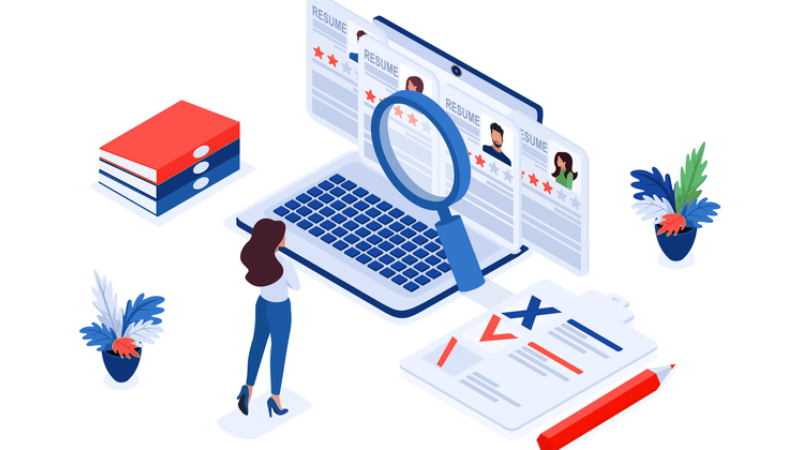
When a prospective customer realizes it’s time to clean the dining room rug, the first thing they’ll do is conduct a local search for the best carpet cleaning companies in their area. You’ll want to make sure your company is near the top.
List your carpet cleaning company on review websites like Yelp, Angi, and Google Business Profile. Customers should be given links to your profile and asked to leave a review. A steady stream of positive reviews is essential for generating new business leads.
3. Respond to Online Reviews
Most potential customers looking for a carpet cleaning company will read online reviews. As a reputation management strategy, it’s always a good idea to respond professionally to both positive and negative online reviews. This demonstrates that your carpet cleaning company is responsive and eager to provide an exceptional customer experience. For a deeper dive, explore our guide on Chatbot Marketing.
4. Update your Company’s Profile.
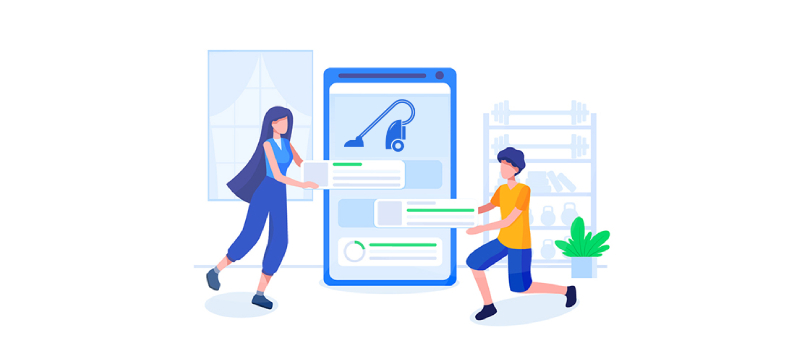
It is critical to keep your carpet cleaning business website up to date with your company name, address, phone number, and contact information. Updating your carpet cleaning website and business profiles allows potential customers to find your company on search engines and Google Maps.
A strong business reputation is communicated by a strong logo and appealing graphic design. Customers looking for carpet cleaning services respond positively to businesses that are professionally presented online and include precise information about their location and hours of operation.
5. Construct Direct Mail Marketing Campaigns.
Even in this digital age, direct mail campaigns can be a very effective marketing strategy. Postcards are less expensive to send and immediately catch the reader’s attention. Your brand and message are visible to recipients without them having to open a letter or email.
A direct mail campaign has the added benefit of being able to target a specific neighborhood or community within your carpet cleaning company’s service area.
6. Request Referrals from Happy Customers.
Customer satisfaction can be one of your best sources of new business referrals. If you ask the restaurant owner to write a review, your excellent work at a local restaurant could help you get your next carpet cleaning job.
Following up with customers results in a positive customer service experience, which frequently leads to them leaving a positive review on your company’s website. This type of recommendation gives potential customers faith in your carpet cleaning services.
7. Share on Social Media
Carpet cleaners do not always consider social media platforms to be a marketing tool. However, social media marketing is one method of informing potential customers about your carpet cleaning company.
As more people spend their days scrolling through social media platforms, a carpet cleaning marketing idea, such as a Facebook ad with a carpet care tip, can help boost your online presence and generate leads. Google Ads can also be used to promote your carpet cleaning company’s reputation in your local service area. For a deeper dive, explore our guide on Online Gaming Marketing.
8. Commence an Email Marketing Campaign.
Sending an email marketing campaign to your existing customers is a surefire way to promote your carpet cleaning business. Using a newsletter to engage regular customers can help you promote new services or offer new products, resulting in new business. You can also include helpful hints for pet owners on how to treat stains and care for carpets and upholstery.
Homeowners are always in need of high-quality home services for carpets, rugs, and upholstery, and an effective email marketing campaign can remind your customer base of what a fantastic carpet cleaner you are.
Email marketing campaigns can be launched at various times of the year to coincide with holidays or seasonal changes when homeowners are likely to consider a home refresh. This type of marketing campaign allows you to provide information about new team members or community initiatives in which your carpet cleaning company is involved.
Staying in touch with your customers about promotions or new offers may entice them to have their carpets or upholstered furniture professionally cleaned.
OTT SEO Can Help You Manage Your Reputation Better.
Local marketing and digital marketing strategies are critical for developing high-level campaigns that position you as the go-to carpet cleaner in your service area. Your local business will drive in new customers and keep current customers satisfied with the right strategies in place.
OTT SEO is here to help you grow your carpet cleaning business by improving your online reputation. Our team has resources, experience, and tools for managing your online reputation, making it simple to grow your business organically. We can also assist you with local SEO, streamlining customer communications, and implementing mobile invoicing and payments.
Building a Carpet Cleaning Marketing System: From First Visit to Recurring Revenue
The most profitable carpet cleaning businesses don’t just acquire clients — they build systems that convert first-time customers into annual recurring relationships. The economics are compelling: acquiring a new carpet cleaning client costs 5-7x more than retaining an existing one, and recurring annual clients are more predictable, easier to service (familiar locations and preferences), and significantly more profitable over their lifetime.
First-visit experience is the foundation of retention. The quality of the cleaning, the professionalism of the technicians, and the post-service follow-up determine whether a first-time client becomes a recurring one. No marketing system substitutes for service quality — but service quality without a systematic follow-up and re-booking process leaves revenue on the table.
Annual reminder campaigns are the highest-ROI retention tool for carpet cleaning. A well-timed email or SMS reminder — sent 10-11 months after a client’s last service — with a returning client discount or priority scheduling offer consistently achieves 25-40% re-booking rates. Automation makes this effortless: set up the sequence once, and it runs continuously as your client base grows.
Upsell and cross-sell systematically. Clients who called for carpet cleaning often have additional cleaning needs — upholstery, area rugs, tile and grout, air duct cleaning. A systematic pre-visit quote that includes optional add-on services, and a post-visit follow-up offering complementary services, increases average transaction value without additional acquisition cost.
Digital Marketing for Carpet Cleaning: SEO and Local Search Strategy
Carpet cleaning is a high-intent, geographically constrained service — making local SEO the cornerstone of digital marketing strategy. The search queries that drive carpet cleaning leads are predictable and consistent: “carpet cleaning [city]”, “carpet cleaners near me”, “professional carpet cleaning [neighborhood].”
The local SEO fundamentals that drive carpet cleaning leads:
- Google Business Profile optimization: Complete service list, service area definition, regular posts, active review collection, and photo documentation of your work and team
- Location-specific landing pages: Individual pages for each service area you cover, with location-specific content, pricing guidance, and local social proof
- Review volume and recency: Carpet cleaning clients rely heavily on reviews — businesses with 4.8+ stars and consistent review velocity (new reviews monthly) outperform competitors in both rankings and conversion
- Local citations and directory listings: Consistent NAP data across Yelp, Angi, HomeAdvisor, Thumbtack, and industry-specific directories builds local authority
OTT SEO’s local SEO services have helped service businesses across categories dominate their local markets. Our pest control SEO and dental marketing strategies demonstrate our expertise across the local service industry. For local search benchmarks, BrightLocal’s annual local consumer review survey provides authoritative data on how reviews affect local service purchasing decisions.
Frequently Asked Questions About Carpet Cleaning Marketing
How do I market my carpet cleaning business?
Market your carpet cleaning business through: (1) Google Business Profile optimization for local search visibility; (2) Google Local Services Ads for immediate high-intent leads; (3) Active review collection — ask every satisfied client to leave a Google review; (4) Neighborhood social media marketing with before/after content; (5) Referral programs that incentivize existing clients to recommend you; (6) Email/SMS annual reminder campaigns to re-book past clients; (7) Local SEO content targeting “carpet cleaning [city]” queries.
What is the average cost to market a carpet cleaning business?
Carpet cleaning marketing budgets typically range from $500-$3,000/month for small to mid-size operations, depending on service area and competition level. Google Local Services Ads typically run $20-$50 per lead in moderate-competition markets. Local SEO investment produces the highest long-term ROI but takes 6-12 months for significant organic ranking improvement. Start with Google Business Profile optimization (free) and LSAs (immediate results), then build toward organic SEO for sustainable long-term lead generation.
How do I get more carpet cleaning customers?
To get more carpet cleaning customers: ensure your Google Business Profile is fully optimized with reviews, photos, and service information; run Google Local Services Ads for immediate leads; implement a systematic post-job review request process; create before/after content for social media; build referral relationships with complementary businesses (real estate agents, property managers); and develop an annual re-booking reminder system for past clients.
Is Google Ads worth it for carpet cleaning businesses?
Yes — both Google Search Ads and Google Local Services Ads can deliver strong ROI for carpet cleaning businesses targeting high-intent local queries. LSAs are generally preferred because they carry the Google Guaranteed badge (higher trust), appear above standard ads, and charge per lead rather than per click. Standard Google Search Ads provide additional reach for broader cleaning queries. Track cost per booked job (not just cost per lead) to accurately evaluate advertising ROI.
Tracking Carpet Cleaning Marketing ROI: Metrics That Matter
Successful carpet cleaning marketing requires measuring the right metrics to understand what’s working and optimize your investment. These are the KPIs that directly connect marketing activity to business outcomes:
Cost per booked job is the foundational metric — total marketing spend divided by actual jobs booked (not just leads generated). Many carpet cleaning businesses optimize for cost-per-lead without tracking lead-to-booking conversion rates, which leads to investing heavily in channels that generate many inquiries but few actual jobs.
Customer lifetime value (LTV) determines how much you can afford to spend on acquisition. A carpet cleaning client who books annually for 5 years is worth dramatically more than the first-job revenue suggests. Understanding LTV changes how aggressively you invest in acquisition and retention programs.
Review velocity — the rate of new Google reviews per month — is a leading indicator of local search performance. Businesses maintaining consistent review velocity (3+ new reviews monthly) consistently outperform competitors in Google Business Profile rankings and organic local search.
Repeat booking rate measures the percentage of first-time clients who book again within 12 months. Industry benchmarks vary by service area demographics, but top-performing carpet cleaning operations achieve 40-60% repeat booking rates through systematic follow-up and excellent service delivery.
Job-to-review conversion rate — the percentage of completed jobs that result in a Google review — typically ranges from 5-20% for businesses with informal processes to 25-40% for those with systematic, timely review request automation. Improving this metric is one of the highest-ROI operational changes a carpet cleaning business can make.
OTT SEO provides local SEO reporting that tracks these metrics alongside traditional search ranking data, giving carpet cleaning businesses a complete picture of their marketing performance. Our cleaning business marketing strategy guide covers the full operational marketing system.
Seasonal Carpet Cleaning Marketing: Maximizing Peak Demand
Carpet cleaning demand follows predictable seasonal patterns that smart marketing strategies exploit. Understanding these patterns allows you to align your marketing investment with periods of highest consumer intent, maximizing ROI and managing capacity efficiently.
Spring (March-May) is the peak season — “spring cleaning” behavior drives the highest search volumes for carpet cleaning services in most markets. Increasing ad spend, promoting seasonal packages, and ensuring review velocity is high entering spring maximizes capture of this demand surge.
Pre-holiday (October-November) is the second major peak — homeowners preparing for holiday hosting clean carpets before guests arrive. Targeting “pre-holiday carpet cleaning” queries and running “pre-Thanksgiving” promotional campaigns captures this demand window.
Post-holiday (January) cleanup creates a third moderate peak, particularly in markets with heavy snowfall that tracks dirt and debris indoors throughout winter.
Summer (June-August) and post-holiday winter are typically slower periods — when to focus on customer retention, referral program activation, and commercial contract development to maintain revenue through demand troughs. Using slower periods to collect reviews, train staff, and optimize marketing infrastructure prepares you to capitalize on the next demand peak.
Aligning your Google Ads bid adjustments, content publishing calendar, and promotional email sends with these seasonal demand patterns is one of the most straightforward high-ROI moves in carpet cleaning marketing. Our complete carpet cleaning marketing guide covers the full annual marketing calendar.
Grow Your Carpet Cleaning Business
Over The Top SEO builds local marketing systems for cleaning service businesses — Google LSAs, local SEO, reputation management, and retention automation that compounds revenue over time.
Written by Guy Sheetrit, CEO of Over The Top SEO. Local service industry marketing specialist. Last updated: March 2026.
The Evolution of Digital Marketing: From Traditional to Modern Approaches
Digital marketing has undergone a remarkable transformation over the past two decades, evolving from simple banner advertisements and email campaigns to sophisticated, data-driven strategies that leverage artificial intelligence and machine learning. Understanding this evolution provides valuable context for developing effective modern marketing strategies that resonate with today’s consumers.
The early days of digital marketing were characterized by interruptive advertising tactics that prioritized visibility over relevance. Companies spent significant budgets on display ads that reached broad audiences but delivered limited engagement. As consumer behavior shifted and technology advanced, marketers began recognizing the value of permission-based marketing and targeted approaches that delivered personalized messages to specific audience segments.
Today’s digital marketing landscape demands integrated approaches that combine multiple channels and tactics into cohesive customer experiences. The most successful businesses recognize that modern consumers interact with brands through complex, non-linear journeys that span multiple devices and platforms. Meeting customers where they are requires sophisticated targeting capabilities, real-time personalization, and seamless cross-channel experiences.
The integration of marketing technology has enabled unprecedented levels of automation and optimization, allowing marketers to deliver the right message to the right person at the right time. These capabilities have transformed marketing from an art to a science, enabling continuous improvement based on real-time performance data and predictive analytics.
Strategic Content Development for Search Engine Success
Content remains the foundation of successful digital marketing, serving as the primary mechanism for attracting organic traffic, building brand authority, and engaging target audiences. Developing a comprehensive content strategy requires understanding search intent, creating valuable resources, and optimizing for both search engines and human readers.
Effective content addresses specific search queries while providing genuine value to readers. This requires deep understanding of your audience’s needs, questions, and pain points. The best content answers questions comprehensively, provides actionable insights, and offers unique perspectives that readers cannot find elsewhere.
Content optimization extends beyond keyword placement to include structural elements, readability, and multimedia integration. Well-structured content with clear headings, bullet points, and visual elements performs better in search results while delivering superior user experiences. Mobile optimization is particularly critical as mobile traffic continues growing.
Content promotion and distribution are equally important as creation. Even excellent content delivers limited results if target audiences cannot discover it. Strategic distribution leverages social media, email marketing, influencer partnerships, and paid promotion to maximize content reach and impact.
Data Analytics and Performance Measurement Fundamentals
Modern marketing success depends heavily on sophisticated analytics capabilities that enable data-driven decision making. Understanding which metrics matter most and how they connect to business outcomes allows continuous optimization of marketing efforts and improved return on investment.
Essential marketing metrics include traffic volume and sources, engagement rates, conversion rates, customer acquisition costs, and lifetime value. Each metric provides insights into different aspects of marketing performance, and comprehensive analysis reveals the full picture of marketing effectiveness.
Attribution modeling helps marketers understand how different touchpoints contribute to conversions. Multi-touch attribution provides more accurate pictures of customer journeys than last-click attribution, enabling better allocation of marketing budgets across channels and campaigns.
Advanced analytics approaches segment data by multiple dimensions to identify patterns and opportunities that aggregate data might miss. Understanding audience segments, channel performance, and campaign effectiveness enables continuous optimization and improved results over time.
Building Brand Authority Through Thought Leadership
Establishing thought leadership in your industry provides significant competitive advantages, including increased brand awareness, customer trust, and organic visibility. Thought leadership requires consistent creation of valuable content that demonstrates expertise and unique insights.
Effective thought leadership content addresses emerging trends, challenges conventional wisdom, and provides actionable guidance that readers can apply to their own situations. This type of content positions your brand as an authority that audiences can trust for reliable information and guidance.
Building thought leadership requires sustained effort over time, with consistent publication of high-quality content that addresses relevant industry topics. The most successful thought leadership strategies identify unique perspectives and expertise areas that differentiate your brand from competitors.
Distribution amplifies thought leadership impact. Strategic promotion through social media, email marketing, industry publications, and speaking opportunities extends reach and builds recognition among target audiences.
Maximizing Return on Marketing Investment
Proving and maximizing marketing return on investment requires clear objectives, sophisticated tracking, and continuous optimization. The most successful marketing organizations treat marketing as an investment that must deliver measurable returns rather than an expense that cannot be quantified.
ROI calculation requires understanding customer lifetime value, acquisition costs, and the contribution of marketing activities to revenue generation. These calculations enable informed budget allocation decisions and help identify the most effective marketing tactics for your specific business.
Continuous testing and optimization improve marketing performance over time. A/B testing, multivariate testing, and iterative improvement processes enable identification of optimal approaches and continuous enhancement of marketing effectiveness.
Marketing automation improves efficiency while enabling personalization at scale. Automating routine tasks frees marketing teams to focus on strategic initiatives while maintaining consistent customer experiences across touchpoints.
Future-Proofing Your Digital Marketing Strategy
The digital marketing landscape continues evolving rapidly, with emerging technologies, changing consumer behaviors, and new platforms creating both challenges and opportunities. Future-proofing your strategy requires staying current with trends while maintaining focus on fundamental marketing principles.
Artificial intelligence and machine learning continue transforming marketing capabilities, enabling more sophisticated targeting, personalization, and optimization. Businesses that embrace these technologies gain competitive advantages through improved efficiency and effectiveness.
Privacy regulations and changes to third-party cookies require adaptation of tracking and targeting approaches. First-party data strategies and consent-based marketing become increasingly important as the industry transitions to a privacy-focused environment.
Voice search, visual search, and AI-powered search experiences create new optimization requirements. Adapting content and technical strategies for these emerging search modalities positions businesses for success in evolving search environments.
🚀 Ready to Dominate Your Niche?
Over The Top SEO has helped 500+ businesses achieve first-page rankings and exponential traffic growth. Our data-driven approach, proven track record, and dedicated team are ready to put your brand at the top — where it belongs.
- ✓ Free SEO Audit (valued at $500)
- ✓ Custom strategy tailored to your industry
- ✓ Transparent reporting & real results
🚀 Ready to Dominate Your Market?
Over The Top SEO has helped businesses across 50+ industries achieve #1 rankings and dominate AI-powered search results. Whether you need SEO, GEO, or a complete digital strategy — we deliver results, not promises.
Trusted by brands featured in Forbes, NYT, Inc.com, Entrepreneur & more

Email Marketing in the AI Age: Open Rates, Personalization, Automation
The complete guide to email marketing AI personalization in 2026. Open rates, predictive automation, platform…
Read More →
Google Ads in 2026: The Complete Strategy Guide for Maximum ROI
Google Ads in 2026 is a fundamentally different platform than it was three years ago…
Read More →
Social Media Strategy That Actually Drives Revenue: The 2026 Framework
Table of Contents Toggle Table of Contents The Revenue-First Mindset Stop Optimizing for Engagement Map…
Read More →
Title Tag Optimizer
✏️ Table of Contents Toggle Title Tag Optimizer Optimization Checks How to Write SEO-Optimized Title…
Read More →
Structured Data Tester
🏗️ Table of Contents Toggle Structured Data Tester 📋 JSON-LD Input ✅ Validation Results 🔍…
Read More →-
 By SEO
- Apr 5, 2023
 By SEO